Tag: home sewing

  • How to Take Accurate Body Measurements for Sewing |

    How to Take Accurate Body Measurements for Sewing |

    How to Take Accurate Body Measurements for Sewing
    Getting accurate body measurements is the most important first step before cutting any sewing pattern. Many home sewers end up with ill-fitting handmade clothes simply because they took wrong measurements. This guide will walk you through all key measurements you need for PDF sewing patterns, especially for plus size bodies.

    What You Will Need

    • Soft measuring tape
    • Pen and notebook
    • A well-fitted thin top and pants
    • A mirror

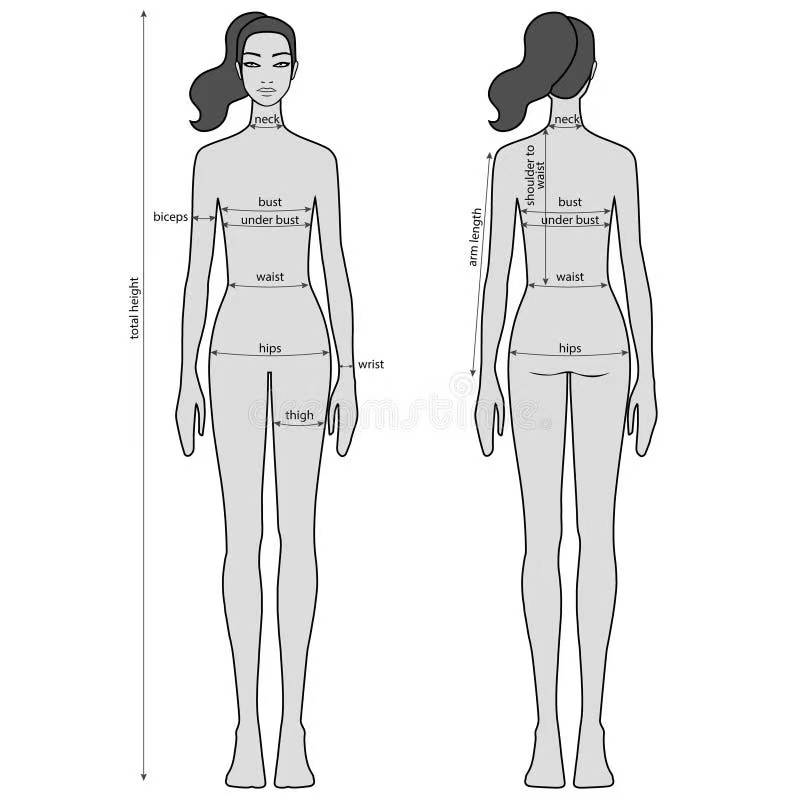
    Step 1: Bust Measurement

    Wrap the tape around the fullest part of your bust. Keep the tape level, not tight or loose. Do not pull the tape too hard. Write down this number.

    Step 2: Under Bust Measurement

    Measure directly under your bust. This measurement helps you adjust the bust fit for patterns.

    Step 3: Waist Measurement

    Find the narrowest part of your waist. Wrap the tape gently around this point. Many people confuse waist with hip, so double check in the mirror.

    Step 4: Hip Measurement

    Measure around the fullest part of your hips and seat, usually about 20-25cm below your waist. Keep tape horizontal.

    Step 5: Back Length

    Measure from the base of your neck down to your natural waist. This is critical for top and dress pattern fitting.

    Common Mistakes to Avoid

    1. Pulling the measuring tape too tight. You should fit one finger under the tape comfortably.

    2. Measuring over thick clothing. Wear light fitted clothes only.

    3. Leaning or twisting your body while measuring. Stand naturally.

    4. Using a rigid ruler instead of soft tailor tape.

    Match Measurements to Your Sewing Pattern Size Chart

    Once you finish all measurements, compare your numbers with the size chart on your PDF sewing pattern. Do not just pick your ready-to-wear clothing size. Sizing varies widely between different pattern brands.

    If your measurements fall into different sizes, you will need pattern adjustments. Check our previous tutorial about how to adjust PDF sewing patterns for plus size bodies.https://www.tanjarpatterns.cn

    Ready to start your sewing project? Browse our collection of well-drafted plus size PDF sewing patterns. Each pattern includes detailed size chart and fitting notes for home sewers.https://www.tanjarpatterns.cn/shop
  • How to Adjust PDF Sewing Pattern for Plus Size Beginners

    How to Adjust PDF Sewing Pattern for Plus Size Beginners

    Many home sewers struggle when working with PDF sewing patterns for plus size bodies. Ready-made patterns often do not fit perfectly out of the box, but you can make simple adjustments at home.

    First, take your body measurements: bust, waist, hip and back length. Compare your measurements with the size chart on your PDF pattern. Do not just pick the size based on ready-to-wear clothing.

    The most common adjustment is full bust adjustment. If your bust measurement is larger than the pattern size, add extra width to the bust area. You can also adjust waist and hip ease for a comfortable fit.

    Always print your pattern in actual size and check the test square before cutting fabric. Make a quick muslin test to check the fit before cutting your final fabric.

    Small pattern tweaks will help you get a garment that fits your body shape perfectly. If you are looking for well-drafted plus size sewing patterns, check our collection.https://www.tanjarpatterns.cn/shop

  •  How to Print PDF Sewing Patterns Correctly | Tips for Home Sewers 

    Many new home‑sewers run into frustrating sizing problems after downloading digital sewing patterns. Most issues come from incorrect printer settings, not the pattern itself.

    Follow these step‑by‑step instructions to get accurate scale for your PDF sewing pattern:

    1. Open your pattern PDF file using Adobe Acrobat Reader. Other PDF viewers may alter scaling.
    2. Open the print dialogue window.
    3. Crucial setting: Do NOT choose “Fit to page”, “Shrink oversized pages”, or “Scale to fit”.
    4. Set print scale to 100% / Actual Size.
    5. After printing, locate the built‑in test square on your printed paper.
    6. Use a ruler to measure the test square. Only start cutting fabric when the square matches the stated dimension.

    If your test square is bigger or smaller than marked, cancel printing and re‑check your print scale options.

    About Our Digital Sewing Patterns

    Every pattern from TanJar Patterns has been sample‑tested and verified through real garment sewing practice.

    Every pattern from TanJar Patterns includes a standard test square for scale checking.
    All‑in‑one size files are provided, covering wide size ranges for men, women and children.
    We offer both PDF for home printing and DXF files for CAD software or cutting machines.

    Browse our full collection of verified sample‑tested sewing patterns:
    https://www.tanjarpatterns.cn

    Important note: This is a digital downloadable product. No physical paper pattern or finished garment will be shipped to you.
    Download access: 3 download attempts within 30 days after purchase, non‑refundable for digital goods.